Eating, shopping and cooking in NZ!
Like I mentioned in my previous post, food in NZ costs quite a bit. We were very surprised to see that a 2-litre bottle of fresh milk in the supermarket cost as much as it does in Singapore. Groceries in Singapore are inherently expensive because almost everything is important (we’re a tiny island-state with practically no space for agriculture or farming). But there are cows in NZ. Like everywhere. I guess we just had it in our heads that of all things, milk would be cheap. We were wrong.
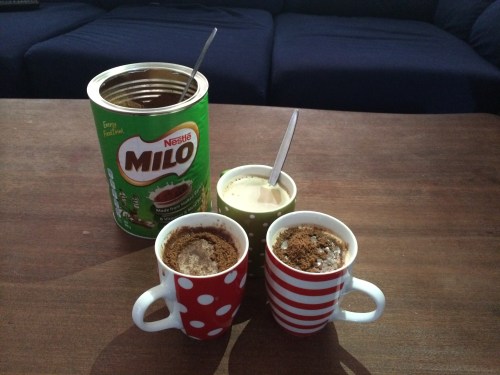
We saved as much money as we could by shopping and eating seasonal fruit and veggies. Also, we just did without anything that cost too much, e.g. when we were there, one telegraph cucumber cost about NZD4.79. As much as I missed the juicy, crunchy texture of a good fresh cucumber, I just did without it because we could’ve bought a sack of potatoes for that amount!
And then we usually bought whatever else that was on sale. When we were there, we did have balanced meals almost every day (green veggies, some complex carbs, some proteins, some healthy fats). But there were days–especially towards the end of the trip–when we basically lived on vegetable soup and toast.
One more little thing before we move on: ALWAYS LABEL YOUR FOOD. There are sneaky food thieves living in your refrigerator and they’ll eat whatever’s there. Be bold. Stand your ground. And write your name using big bold letters. The hostel cleaners also tend to throw out food that is not labelled.
Vegetables
Vegetables that are cheap(er) include carrots, corn, potatoes, leeks and onions. Those formed the base of many of our meals. We had lots of other root veggies too because it was autumn/winter when we were there. Go for sweet potatoes (known as kumara) and little red yams (known as oca).

Green veggies do go on sale pretty often. We basically cooked and ate whatever was on sale that week (we had loads of broccoli, kale and bak choy). Frozen vegetables are also a viable option if you have access to a freezer.
Fruit
Likewise, we ate whatever fruit was on sale. We had bananas, apples, pears and kiwifruit for the most part. We also ate loads of avocados our first few months there.

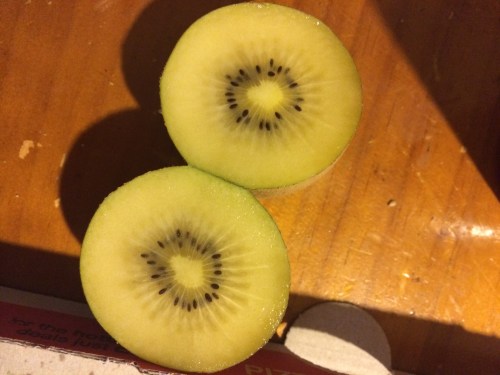
Different kiwifruit. Golden and juicy and full of vitamin C. Don’t eat more than one a day. They have a mean laxative effect.
One of the most amazing discoveries we made was this fruit known as the feijoa (fe-joe-ah). It’s difficult to describe; if a guava had a baby with a strawberry and an apple joined in, you’d get a feijoa. They grow on little shrubs, and taste and smell absolutely magical when they’re ripe. If they slightly overripe (and before they turn alcohol-y), then you’ve hit the jackpot. If you find a feijoa shrub, pick the ones that are on the ground. They’re the sweetest, softest and juiciest.
Feijoas 101: The best way to eat a feijoa is to bite off the peel at the end, and then suck out all the feijoa-y innards. Lick your lips. Say a silent thank-you to the fruit gods, then go get yourself another feijoa. I’ve eaten about 15 feijoas in one sitting. No shame in that. I just like me some good fruit.

Protein
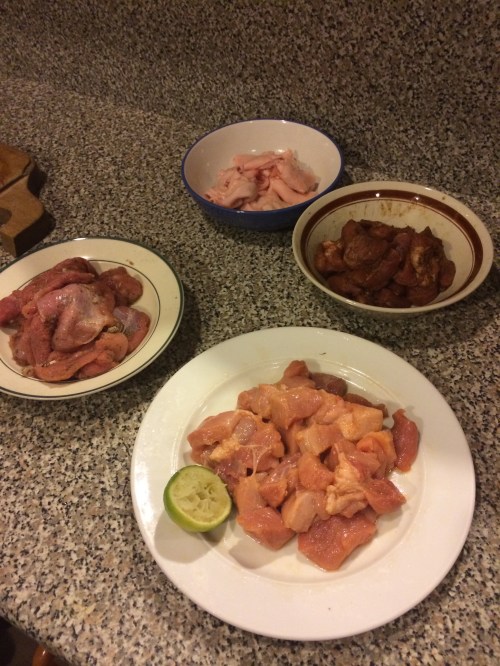
The price of meat varies from city to city. In Tauranga and Auckland, chicken breasts were the most affordable cut of the chicken. Chicken could be as cheap as NZD9 a kilo to NZD23 a kilo. In Queenstown, pork was cheaper than chicken. We once bought a huge leg of pork and cooked it in 5 different styles. Saved us quite a bundle! Beef would very often be the cheapest meat, but I don’t eat beef. Lamb is almost always the most expensive meat.
Eggs cost about NZD8 for 30. These are battery hen eggs. Free-range cost an average NZD8 for 12.
 3 perfect little eggs that were laid that very morning by the beautiful hens in the garden. We paid $0.50 per egg and were so happy. I’d never eaten such a fresh egg before.
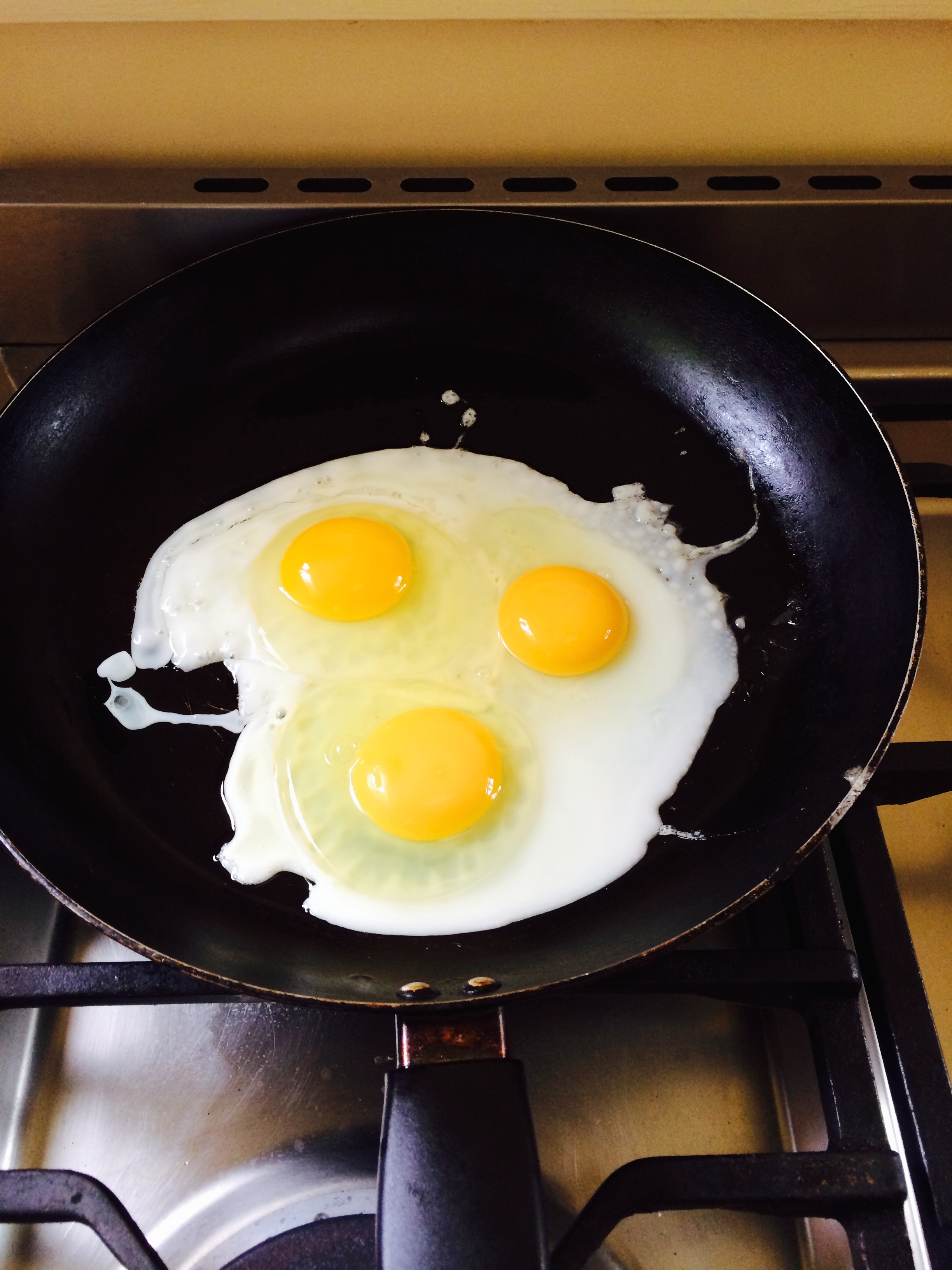 Sunny side up! The yolks were like little orbs of sunshine.
 Some of the aforementioned chickens
Ham and bacon do go on sale from time to time. The cheapest ‘ham’ you’ll find are lunch meats in the deli section of the supermarket.
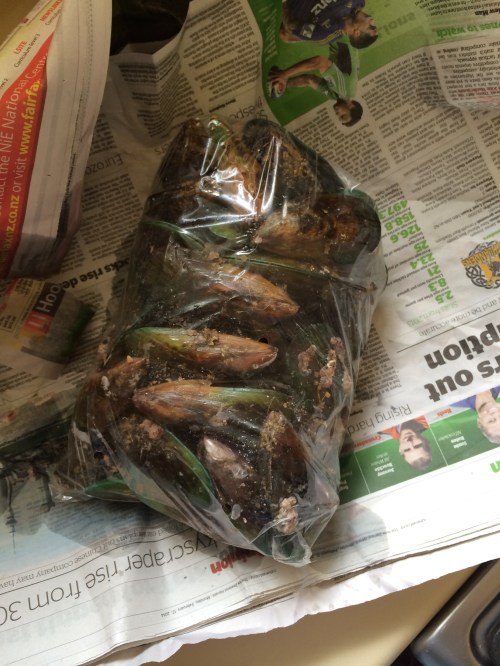
One of the cheapest sources of protein we found was actually green mussels! They could cost as little as NZD2.99 per kilo.
Dry/canned/bottled foods
Most supermarkets carry their own house brands. Go for those! We had house brand rice, pasta, sauces, beans and seasonings.
Beverages
House brand soft drinks and juice drinks are cheap. Local beers are cheap (Lion Red, Lion Brown, Tui, etc) but honestly we didn’t really fancy these beers. Milk and yogurt drinks are more expensive than soft drinks (a painful irony). Still, the best and cheapest beverage is good ol’ H20. Cold from the tap and safe to drink.
Snacks and candy
If you’re a snacker, fret not. There are house brand chips that are pretty inexpensive. We liked the Bluebird range of snacks. Not really a house brand, but you can occasionally stumble upon big $0.99 bags of chips. Score! We especially liked Burger Rings.
Money-saving tips: Eat in whenever possible. Eating out is expensive. The cheapest food you can find in NZ is fast food. And even that can cost around $5 a meal. Plus it gets old so easily. Who wants to stuff their face with fries and burgers and pizza for days on end? We ate in as much as we could. But there were days when we just had cravings for fish and chips or a pizza and we’d just eat out!
Most hostel kitchens are not for the faint-hearted. They’re usually dirty and messy and full of people. The best thing you can do for yourself is to prepare your meals before or after the ‘peak periods’. If that means cooking your dinner at 3.30pm in the afternoon for the sake of a quiet, clean(er) kitchen, then do it. If you’re working on orchards, farms, lifestyle blocks etc, you will also need to bring your lunch with you as you won’t be able to buy a meal anywhere even if you wanted to!

Pak’nSave is probably the cheapest supermarket chain in NZ. In terms of range and selection, however, they’re comparable to other big supermarkets chains (namely Countdown and New World). If you want to get cheaper vegetables, try to find Asian grocers. Some of them are much cheaper than supermarkets. For example, we ate a banana each almost every day. In the supermarket, the bananas cost about $2.99/kg. At the Indian grocer next door, it was $1.99/kg for the exact same variety of banana. It pays to put in the effort to search for bargains!
Last but not least, meat is very much a luxury. If you’re willing to forgo meat for a mostly-vegetarian diet, you can stand to save quite a bit of money. Towards the end, we relied very much on other forms of protein (lentils, beans, eggs) instead of meat. Ultimately, this is very much a personal decision.
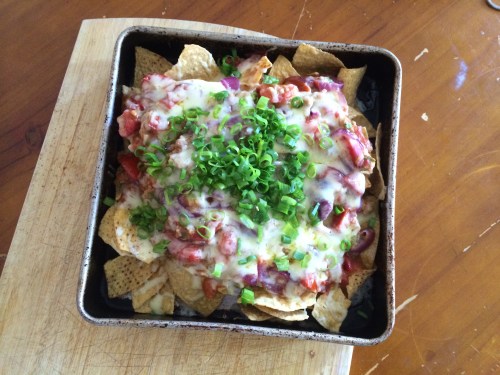 Vegetarian nachos: made with cheap corn chips, tinned chopped tomatoes, mushrooms, cheese, and lots of spring onions.
Well, that’s all for this post!
T
 On board the ferry Santa Regina (from Wellington to Picton). It was a 3.5 hour ride.
 Our car! It faithfully ferried 3 girls and loads of stuff about 12,000km across the country.
 Our car undergoing the WOF inspection.
  Breakfast in NZ: Spaghetti on toast with half an avocado
 PAK’nSAVE: One of the cheapest supermarket chains in NZ!
 Looking delirious here. To be fair, I was hurling to the ground from a height of 15,000 ft.
 Horseback riding in Glenorchy. I had a hungry horse named Wilson. Incidentally, my boyfriend’s name is also Wilson.


 Nervous Adventurer